VIRUS, COUGH, COLD & INFLUENZA SUPPORT
Influenza viruses infect and cause economically important disease in humans and many other animals including horses, pigs, birds and marine mammals. While 3 types of influenza viruses (type A, B and C) infect humans, only influenza A viruses are known to cause natural infection in other animals. Over the last decade, it has become apparent that there is significant interspecies transmission of influenza A viruses. This concept has lead to renewed interest in the study, surveillance and control of influenza in all affected species. This paper will review our current understanding of equine influenza and will emphasize the importance of field diagnosis and continued surveillance in the equine population. Clinical Aspects: Influenza virus readily infects the respiratory tract epithelium and is generally limited to the upper airways including the nasopharynx, tracheas and primary bronchi. The most common signs include fever (39-41.5 degrees C, 102.5-107 degrees F), a harsh dry cough, serious nasal discharge, inappetence and lethargy. The onset is sudden with an incubation period of 1 to 3 days. The fever usually lasts for 1 to 5 days, while the cough may persist for several weeks. Outbreaks spread rapidly to susceptible in contact animals. The primary mode of transmission is by aerosol and to a lesser extent by fomites. The most common sequela is bacterial bronchopneumonia, which is noted by a prolonged fever, mucopurulent nasal discharge, adventitial sounds on thoracic auscultation and inflammatory leukogram. Other potential complications include bronchitis/bronchiolitis, pharyngitis, pleuritis, gutteral pouch infections and viral myocarditis. Treatment and Control: The most important aspects of therapy and control include the cessation of exercise and training and adequate environmental ventilation. Non-steroidal anti-inflammatories are occasionally used in the face of high fever; however, their use should be cautioned since they may mask the sign of secondary bacterial infections. The use of antimicrobials to prevent secondary bacterial infections is controversial. However, the clearance of bacterial overgrowth, specifically S. zoo epidemicus, from the upper respiratory tract occurs sooner and is more complete in animals treated with antibiotics during the early stages of disease. Thus the use of antimicrobials may be indicated following early definitive diagnosis of influenza in animals at high risk of secondary complications such as foals and yearlings. Control and outbreak relies on early diagnosis and isolation of affected animals. Viral shedding may continue for us to 10 days. It is critical to realize that infected animals may appear clinically normal and still shed virus. This is the most common source of spread to new premises. Thus, all sick and contact animals should be quarantined for a period of 2 to 3 weeks. Cessation of exercise and training for all contact animals is important since there is an increased incidence and severity of disease in animals that continue training. Maximising environmental ventilation will decrease spread and help minimize respiratory irritation by dust and allergens. It is important to also recognize the potential for spread by fomites. The virus is highly susceptible to detergents and disinfectants therefore environmental and personal hygiene can help limit the spread and outbreak.
COUGHS, COLDS and WHEEZERS with Professor Ed Robinson
Q: What signs can be seen in horses with non-infectious respiratory disease?
A: With low grade respiratory disease there is usually a cough and maybe poor performance. The diagnosis often is one of exclusion and it is necessary to examine the horse for lameness or heart problems etc. With an endoscopic examination one can find an increased amount of mucopus within the trachea. It is important to exclude bacterial infections and then to see if there is an environmental cause. If possible, changing the horse’s environment either by keeping the horse at pasture, or feeding a low dust feed and/or by changing the bedding does this. Sometimes a change in the environment is not possible and the diagnosis of low-grade inflammatory disease can be made if there is a response to treatment with long-term low-level anti-inflammatory drugs, particularly the corticosteroids such as prednisolone. As horses age, particularly pleasure horses, they develop more serious chronic airway disease. They cough more frequently and develop bouts of severe respiratory distress with wheezing. Eventually they become respiratory cripples.
Q: Is it true that if the horse isn’t coughing there isn’t a lung problem?
A: Coughing is a sign of stimulation of the irritant receptors within the trachea (windpipe). It is indicative of increased mucus, damage to the epithelial lining of the windpipe or bronchospasm. It would be fairly safe to say, that if a horse is not coughing and is performing adequately, its lungs are most likely normal.
Q: Can we say the reverse that if a horse is coughing it has got lower airway disease?
A: Oh yes, A cough of acute onset in a young horse usually indicates an infectious respiratory disease. But, a cough will persist up to 7 weeks after the acute phase of the disease has passed. It takes this long for sufficient healing of the respiratory tract to get rid of coughing.
Q: Is it possible to have a cough in a horse that just has an upper airway problem?
A: It’s unusual to get an infectious upper airway problem that isn’t also in the trachea. So if there is an infectious disease, horses will cough and also have upper respiratory signs such as a nasal discharge. However, in horses with upper airway obstructive diseases such as roaring (laryngeal hemiplegia) coughing is a less consistent sign unless the problem causes difficulty in swallowing and feed enters the windpipe.
Q: The big difference between Australia and the northern hemisphere is in the incidence in non-infectious respiratory disease. It has a very high incidence in North America and Europe but almost a zero incidence here. Have you got any thoughts about why there are those differences?
A: I had always thought it was due to housing differences, because horses in the northern hemisphere are kept indoors a lot more. However, the other big difference is the absence of influenza in Australia. The role of viral infections and the interaction with environmental factors is unknown even in human medicine and equally so in equine medicine. We know that viruses damage the lining of the respiratory tract and alter receptor populations on nerves. However, we don’t understand if viral infections actually play a role in chronic airway diseases. Current research in humans would suggest that the early history of either infection or allergen exposure may set up the pattern of diseases for life. The same may be true in horses.
Q: So regulating the environment of the young horse is critical?
A: I don’t think you can treat an animal badly in its youth then expect it to perform later on. If you’re expecting to get 2-3 years out of your animal it can probably survive a lot of insults but if you’re investing in a horse for the long term, I think early management is critical. Since the 1600’s we have known about the importance of the environment. I would love to see somebody invest in an environmentally excellent stable and then do epidemiological studies on the horses and look at their respiratory health.
Q: What about the role of feed?
A: We did a study years ago that looked at dust levels that the horses inhaled, and it become very obvious that the biggest source of dust is the feed, especially hay. Changing the feed is the simplest thing that people can do and they should make sure they have low dust feed.
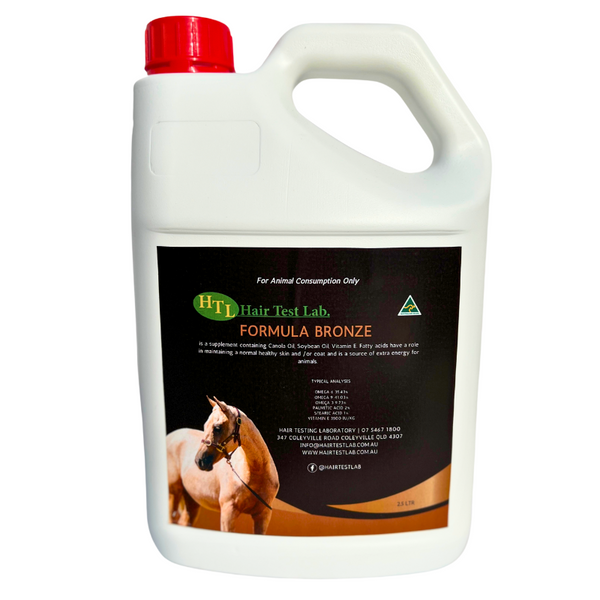
Formula Orange available in 500ml or 5L bottles
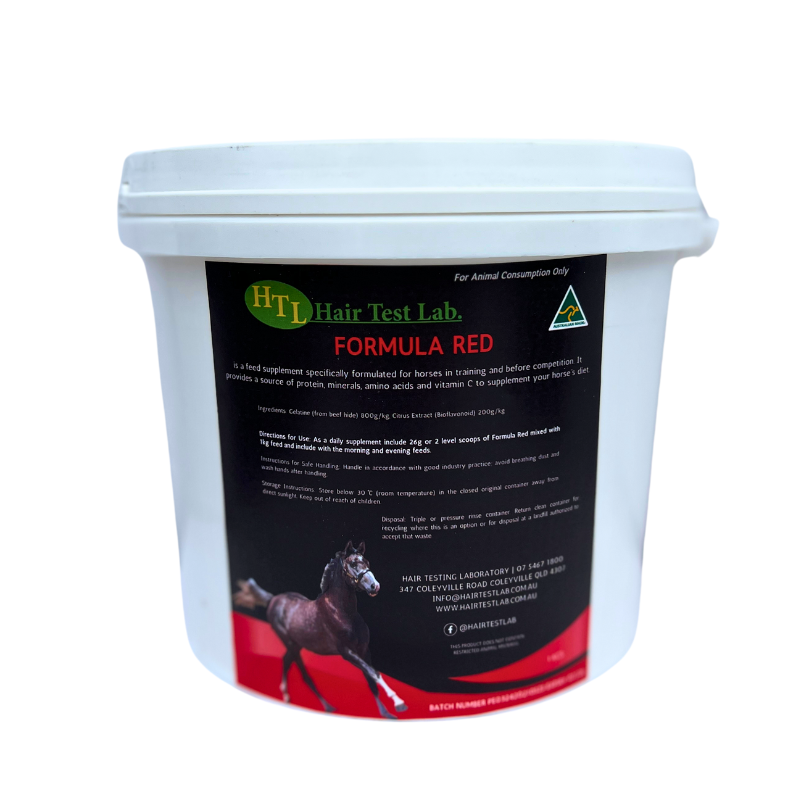
Formula Red available in 1kg tubs
INFORMATION FOR EDUCATION PURPOSES ONLY