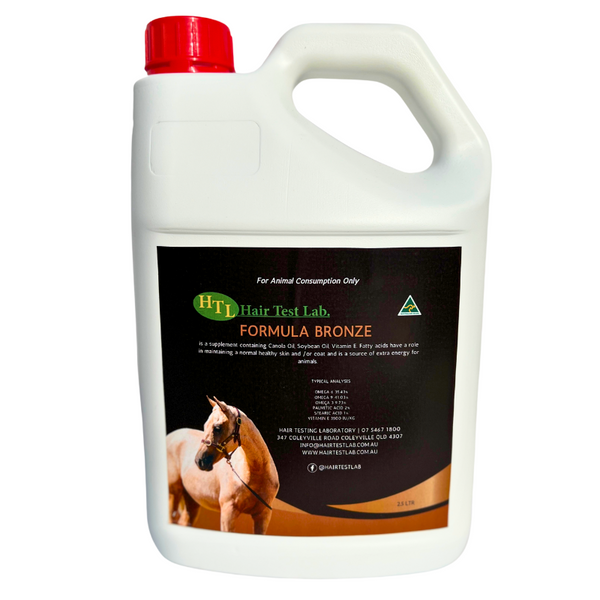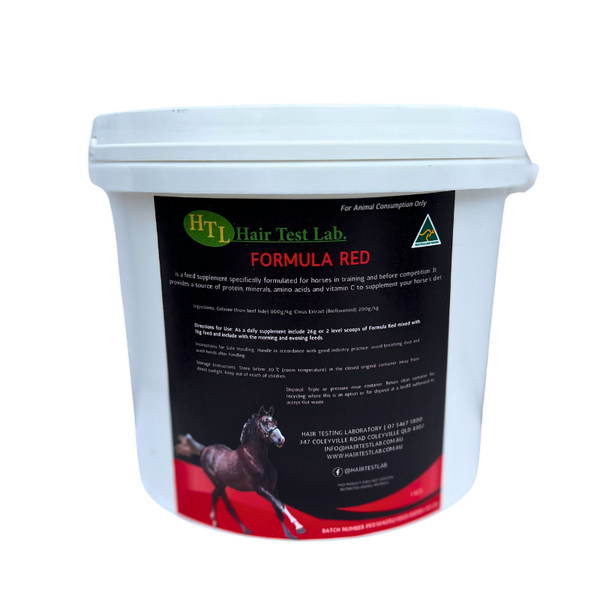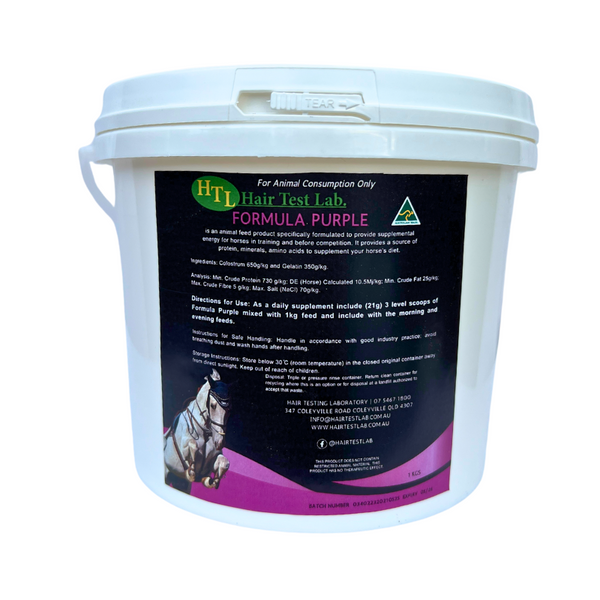
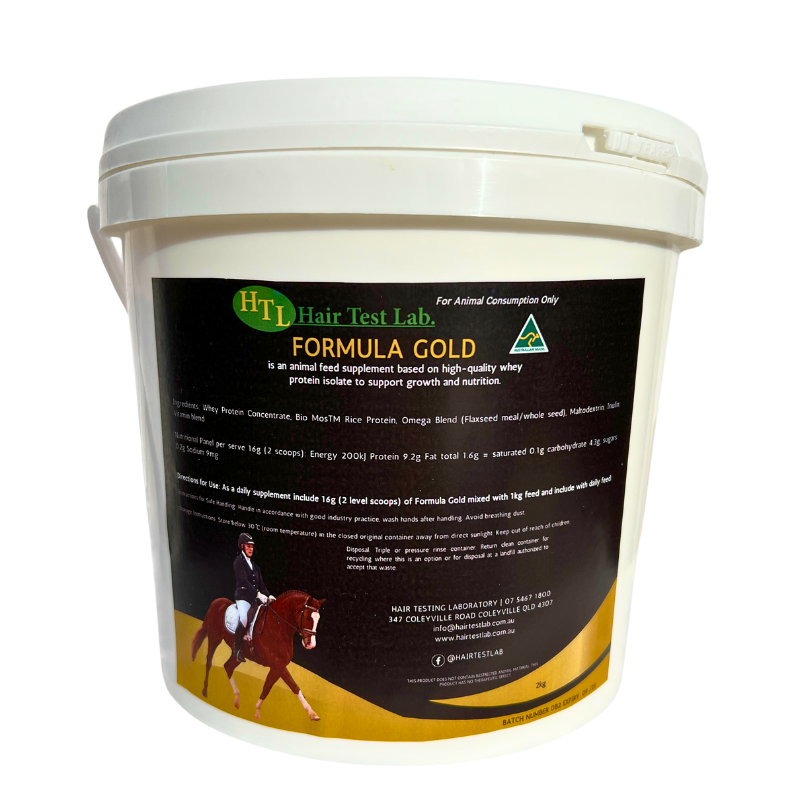
JOINT, MUSCLE & LIGAMENT SUPPORT
Vitamin C – Vitamin C is an extremely important nutrient involved in a wide variety of metabolic functions. It is essential for the synthesis of collagen and connective tissue, and must be available in adequate amounts for normal healing to occur. 1. Ligament tendon, cartilage, muscle, bones and teeth all require vitamin C or proper healing and maintenance. 2. The effect of vitamin C on the synthesis of collagen is also important for capillary integrity. 3. Collagen is a component of the mucopolysaccharides that make up the intracellular glue that holds the cells of the capillary wall together and gives them strength. Vitamin C is very important for cardiovascular health, immune and adrenal function. By participating in the metabolism of tryptophan, phenylalanine and tyrosine, it exerts a beneficial effect on mental function Vitamin C enhances the absorption of iron and folic acid and potentates the effect of a number of other vitamins.
Bioflavonoids
Bioflavonoids are produced in photosynthesising cells and in commonly seen Vitamin C rich foods. They are responsible for the majority of the yellow, red and blue pigmentation in plants. It is widely known that bioflavonoids are involved in the maintenance of small blood walls and are able to reverse increased capillary fragility. In addition to this bioflavonoids have a number of other valuable properties. One of the ways in which bioflavonoids may be involved in the improvement of capillary integrity is by the activation of the enzyme proline hydroxylase. The hydroxylation of proline is essential to the synthesis of collagen, which is necessary for capillary integrity, as we have mentioned earlier. This is certainly not its only mode of action however, since it exerts its effect on both natural and synthetic membranes. The action of bioflavonoids on capillary integrity can have many clinical beneficial effects. Bioflavonoids can reduce pain, inflammation, bleeding, bruising and oedema due to injury. In allergy, bioflavonoids reduce the symptom producing effects of histamine, serotonin and bradykinin. These substances are released along with leukotrienes and prostaglandins when the mast cell degranulates. Bioflavonoids inhibit the degranulation of the mast cell as well inhibiting a number of enzymes that are involved in the production of inflammatory prostaglandins and leukotrienes. So bioflavonoids may reduce the symptoms of allergy by inhibiting both the release and the transport of inflammatory substances into tissue. The effect of bioflavonoids on the permeability of membranes and on the cross linking of collagen may be valuable in helping to reduce macromolecular absorption in the gut. Macromolecular absorption of foods is believed to be involved in the development of food allergies.
What is collagen? (Gelatine)
The most important building block in the entire animal world, collagen is the tie that binds the animal kingdom together. Life is a string of complex molecules: polymers. Nature’s most abounded protein polymer is collagen. More than a third of the body’s protein is collagen. Collagen makes up 75% of our skin. The more science learns about the body, the more integral we see collagen to be. Collagen acts as scaffolding for our bodies. It controls cell shape and differentiation. Collagen is why broken bones heal and wounds heal. Collagen is why blood vessels grow to feed healing areas. Collagen is the fibrous protein constituent of skin, cartilage, bone and other connective tissue. When the body needs to build any new cellular structures, as in the healing process for example, collagen and/or collagen fragments play a central role. Although the role of collagen as a scaffolding has been known for some time, we now know collagen controls cell shape and differentiation migration, and the synthesis of a number of proteins. This is why broken bones regenerate and wounds heal. Why blood vessels grow to feed healing areas. The collagen mesh provides the blue print, the road map and the way.
The Influence of collagen on Joint Cartilage
The mechanism of the effect of collagen preparations on human and animal joint cartilage to a large extent is unresearched. Adam (1991) sees collagen as providing a protective function for cartilage, a function and or enzymatic irritation factors and also of inflammation mediators. The formation of a pool of amino acids within the body is also possible; this would improve the nutrition of the cartilage tissue substantially, hence making it possible for the chondrocytes to produce increase amounts of cartilage matrix. Oberschelp (1985) and Seeligmuller and Happel (1998) presented a similar view in that they regarded collagen as reducing cartilage decomposition or cartilage damage. Preconditions here were the presence of cartilage with an active metabolism and hence capable of regeneration as well as the addition of L-cystine to normal collagen. They are of the opinion that this supplementation accelerates the synthesis of collagen as well as prteogylcan. Timm studied the effect of collagen on the size of the fetlock joint gap and hence the thickness of cartilage at that joint. Again the study was carried out using 44-study horse and 27 controls over a period November 1991-November 1992. A mobile x-ray instrument was used. In order to obtain information on the thickness of the cartilage, the joint gap measured at the level of the sagittal comb of the os-metacarpal III. As the cartilage thickness cannot be differentiated on the x-ray, the joint gap has to be measured in its entirety. The results of addition of collagen to the feed of the horses showed significantly greater cartilage thickness in the animals of the study group capered with the control group in the first 179 days of the study.
Available in 2kg & 4kg tubs.
INFORMATION FOR EDUCATIONAL PURPOSES ONLY